
Malaria in Spitzkoppe is not a major concern for travelers. Spitzkoppe is located in Namibia’s Erongo Region and is considered a malaria free area. This makes it a safe destination for visitors who are worried about malaria risk while traveling in southern Africa.
Spitzkoppe is well known for its large granite peaks and open desert scenery. Often called the Matterhorn of Namibia, it is a popular stop for hiking, camping, climbing, and photography. Spitzkoppe can be seen from the B2 road that links Swakopmund and Windhoek. The highest point, Gross Spitzkoppe, rises to about 1,728 meters above sea level and stands clearly above the surrounding desert.
From a health point of view, malaria is not present in the Spitzkoppe area. Central and southern Namibia, including Spitzkoppe, are regarded as malaria free zones. The risk of malaria in Namibia is mainly found in the far northern regions, such as the Caprivi Strip, the Kavango area, and along the Kunene River. These areas are especially affected during the rainy season, which runs from November to April.
Because Spitzkoppe is outside these northern regions, visitors do not normally need malaria tablets when visiting this area alone. However, travelers who plan to visit northern Namibia before or after Spitzkoppe should speak to a doctor or travel clinic for advice.
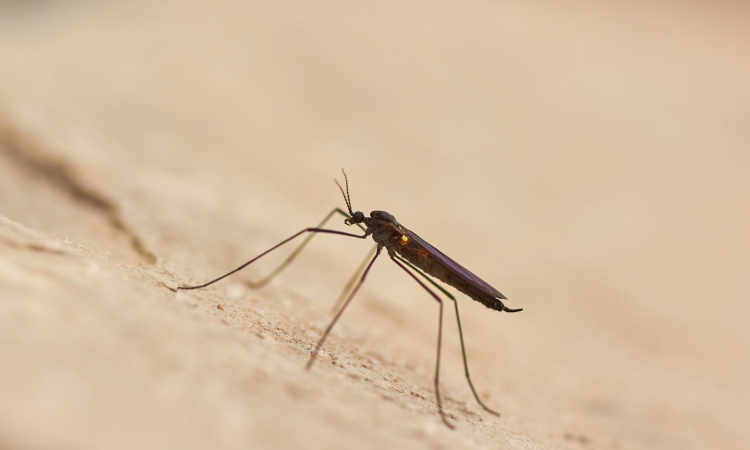
Even though malaria in Spitzkoppe is not a concern, mosquitoes can still be present, especially after rain. Using insect repellent is recommended to protect against other insect bites and possible minor illnesses. Wearing long sleeves in the evening and using basic mosquito protection can add extra comfort during your stay.
It is also important to know that malaria symptoms can appear weeks after exposure. These symptoms may include fever, chills, headache, and muscle pain. If you feel unwell after traveling in Namibia, especially if you visited northern areas, seek medical advice.
Malaria in Spitzkoppe is not a risk for most travelers. The area is considered safe from malaria, making it a suitable destination for camping, hiking, and outdoor activities without special malaria precautions.


